Testosterone and Metabolism: What You Need to Know
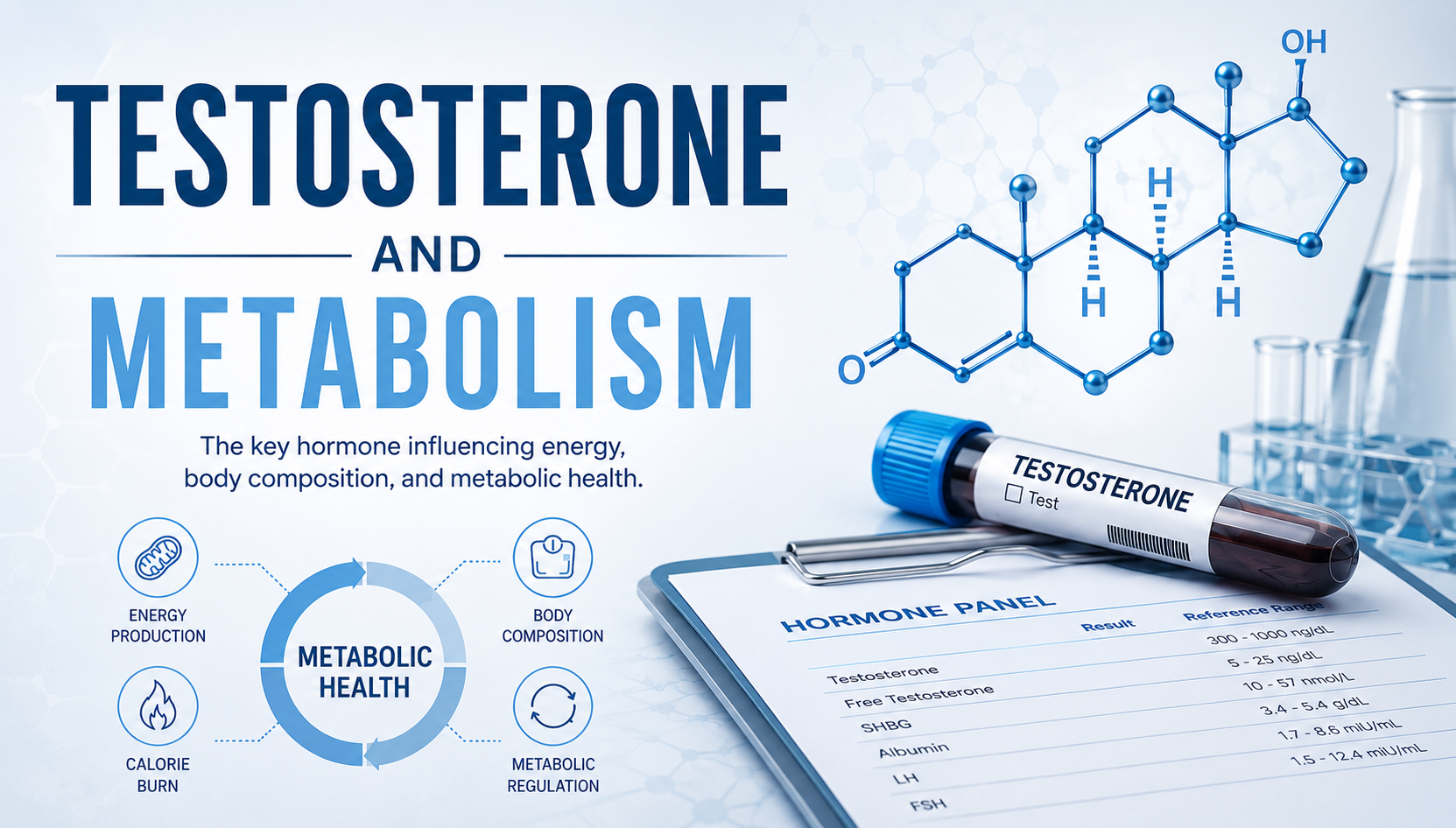
Hormones and metabolism are deeply intertwined, with testosterone playing a central role. Beyond its function in reproductive health, testosterone acts as a vital metabolic hormone, directly influencing how your body builds muscle, stores fat, and processes glucose.
When testosterone levels decline, many adults notice stubborn weight gain around the midsection, persistent fatigue, and shifts in body composition that feel completely out of proportion to their diet and workout routine.
Understanding this link is essential. Testosterone interacts directly with muscle tissue, fat stores, and the pathways regulating blood sugar and insulin sensitivity. If you are experiencing metabolic shifts alongside fatigue or reduced muscle tone, evaluating your hormones through comprehensive bloodwork provides a clear, actionable starting point.
How Testosterone Shapes Your Metabolism
Testosterone is an anabolic hormone, meaning it supports the growth and maintenance of lean tissue. Because skeletal muscle is metabolically active—burning more calories at rest than fat tissue—testosterone’s impact on muscle mass directly dictates your basal metabolic rate (BMR). Research shows that maintaining optimal testosterone helps sustain higher resting energy expenditure by preserving lean body mass.
Beyond burning calories, testosterone shapes how and where your body stores fat:
- Inhibits Visceral Fat: Testosterone reduces the development of new fat cells, particularly visceral fat—the internal abdominal fat linked to high cardiometabolic risk.
- Improves Fat Distribution: Optimal levels favor a healthier body composition: higher lean mass and subcutaneous fat, rather than dangerous deep-belly fat.
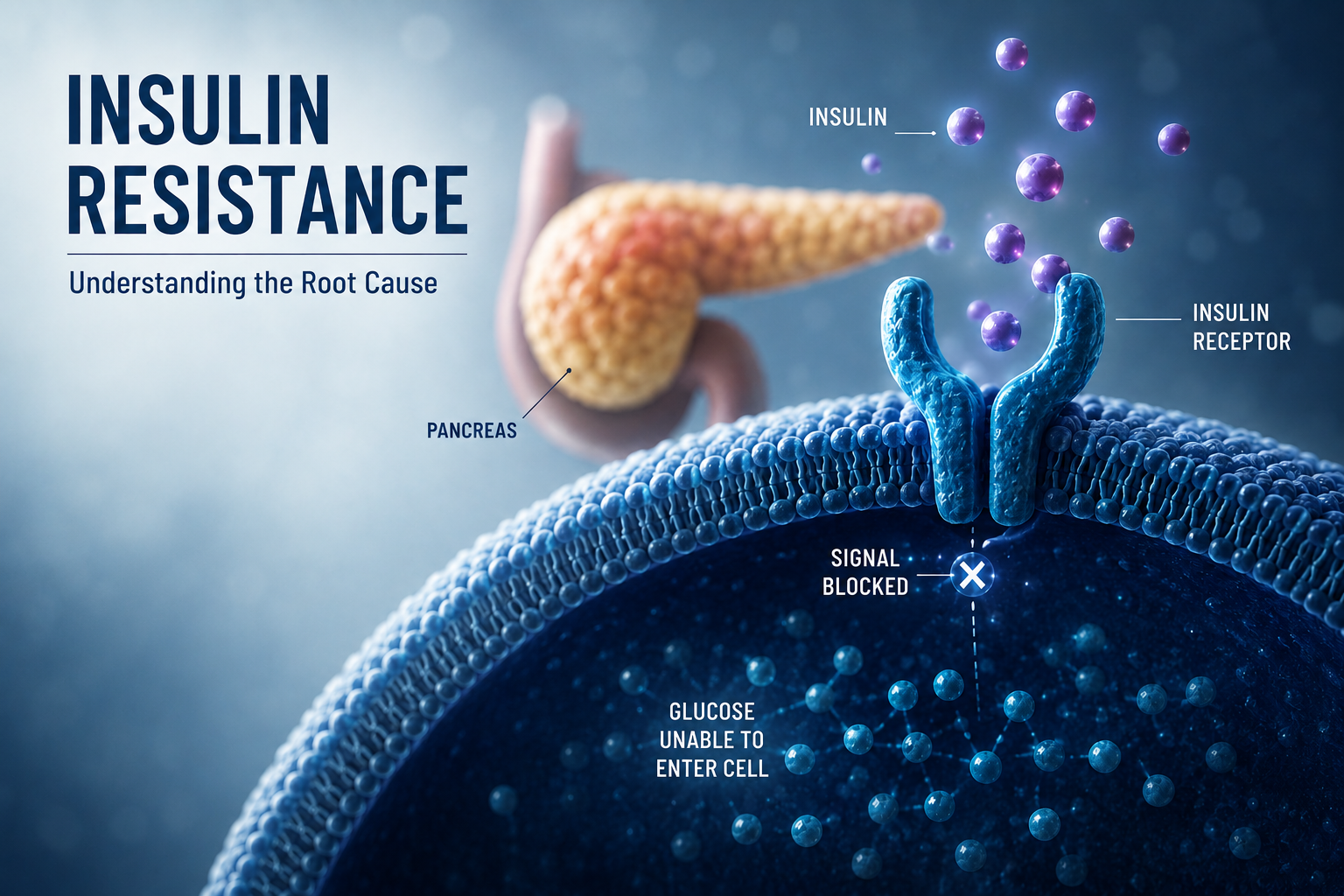
- Enhances Insulin Sensitivity: Testosterone receptors in muscle, liver, and fat tissue play a direct role in glucose regulation. Healthy testosterone levels support normal insulin sensitivity, helping your cells use blood sugar effectively.
What Happens Metabolically When Testosterone Drops?
As testosterone declines—whether from natural aging, chronic stress, or health conditions—metabolic changes move in a predictable direction. Muscle mass decreases, resting metabolic rate slows, and visceral fat increases, often without a dramatic change on the bathroom scale. This explains why your waistline may expand even if your total body weight stays constant.
Low testosterone is also linked to a higher risk of metabolic syndrome—a cluster of conditions including high blood pressure, elevated fasting glucose, abdominal obesity, and abnormal lipid levels.
This relationship is bidirectional: low testosterone contributes to metabolic dysfunction, while abdominal fat and insulin resistance actively suppress natural testosterone production, creating a frustrating downward cycle.
       ┌─────────────────────────────────────────┐
       │         Low Testosterone Levels         │
       └────────────────────┬────────────────────┘
                            │
                            ▼
       ┌─────────────────────────────────────────┐
       │   Decreased Muscle & Increased Fat      │
       └────────────────────┬────────────────────┘
                            │
                            ▼
       ┌─────────────────────────────────────────┐
       │  Insulin Resistance & Inflammation     │
       └────────────────────┬────────────────────┘
                            │
                            ▼
       ┌─────────────────────────────────────────┐
       │  Further Testosterone Suppression       │
       └─────────────────────────────────────────┘
What Clinical Research Shows
Clinical trials evaluating testosterone restoration in men with low levels demonstrate notable metabolic benefits:
- Reduced Insulin Resistance: Studies show that restoring testosterone to normal physiological ranges significantly improves glycated hemoglobin (HbA1c) and fasting glucose levels.
- Decreased Abdominal Fat: Clinical reviews report consistent reductions in waist circumference and waist-to-hip ratios among hypogonadal men following targeted therapy.
- Better Lipid Profiles: Evidence points to measurable decreases in serum triglycerides alongside improved metabolic stability.
Rather than acting as a quick fix, testosterone functions as an essential regulator of insulin signaling, liver glucose output, and fat cell biology.
A Proactive Approach at Optimize Integrative Health
Because hormonal decline happens gradually and mirrors standard age-related changes, self-diagnosis based on symptoms alone is unreliable.
At Optimize Integrative Health, we utilize advanced, comprehensive lab panels to look at the complete picture. Instead of measuring testosterone in isolation, we evaluate total and free testosterone alongside key metabolic markers:
- Fasting Glucose & Fasting Insulin
- Comprehensive Lipid Panels
- Inflammatory Markers (CRP)
- Sex Hormone-Binding Globulin (SHBG) & Luteinizing Hormone (LH)
This data-driven approach removes the guesswork. If labs confirm low testosterone alongside early markers of metabolic dysfunction, we design a personalized wellness strategy combining targeted hormone optimization, tailored nutrition, metabolic conditioning, and sleep hygiene. If your hormone levels are optimal, we direct attention to the specific lifestyle or metabolic factors driving your symptoms.
Frequently Asked Questions
Does low testosterone cause weight gain?
Low testosterone is more directly linked to shifts in body composition—a loss of muscle combined with an increase in visceral fat—rather than overall weight gain alone. However, the resulting drop in energy can lead to decreased physical activity, indirectly causing weight gain over time.
How does testosterone influence fat metabolism?
Testosterone inhibits the maturation of preadipocytes into functional fat cells, especially around deep abdominal organs. Maintaining optimal levels helps your body prioritize lean tissue over visceral fat storage.
Can hormone optimization improve metabolic syndrome?
In individuals with clinically low levels, supervised hormone optimization under medical care has been shown to decrease waist circumference, lower triglycerides, and support overall glycemic control.
Key Takeaways
- Direct Metabolic Role: Testosterone influences your resting metabolic rate, body composition, and glucose management.
- Bidirectional Risk: Low testosterone and metabolic dysfunction feed into each other, accelerating unwanted body composition changes.
- Targeted Evidence: Research links restored testosterone levels to improved insulin sensitivity, reduced waist circumference, and better lipid scores in hypogonadal men.
- Testing First: Comprehensive bloodwork—not guesswork—is necessary to distinguish hormonal decline from general aging or lifestyle factors.
Ready to take control of your metabolic health? Contact Optimize Integrative Health today to order your comprehensive hormone and metabolic panel and schedule a personalized consultation with our clinical team.