The Vital Connection
In today’s high-performance world, “the grind” is often worn as a badge of honor. We sacrifice sleep to squeeze in extra work or social events, often unaware of the physiological toll. At Optimize Integrative Health, we see the hidden cost of this lifestyle every day.
For men, sleep isn’t just downtime—it’s the primary window for hormonal restoration. Emerging research confirms a sobering reality: chronic sleep deprivation is a direct thief of your testosterone.
Why Testosterone is Critical for Male Vitality
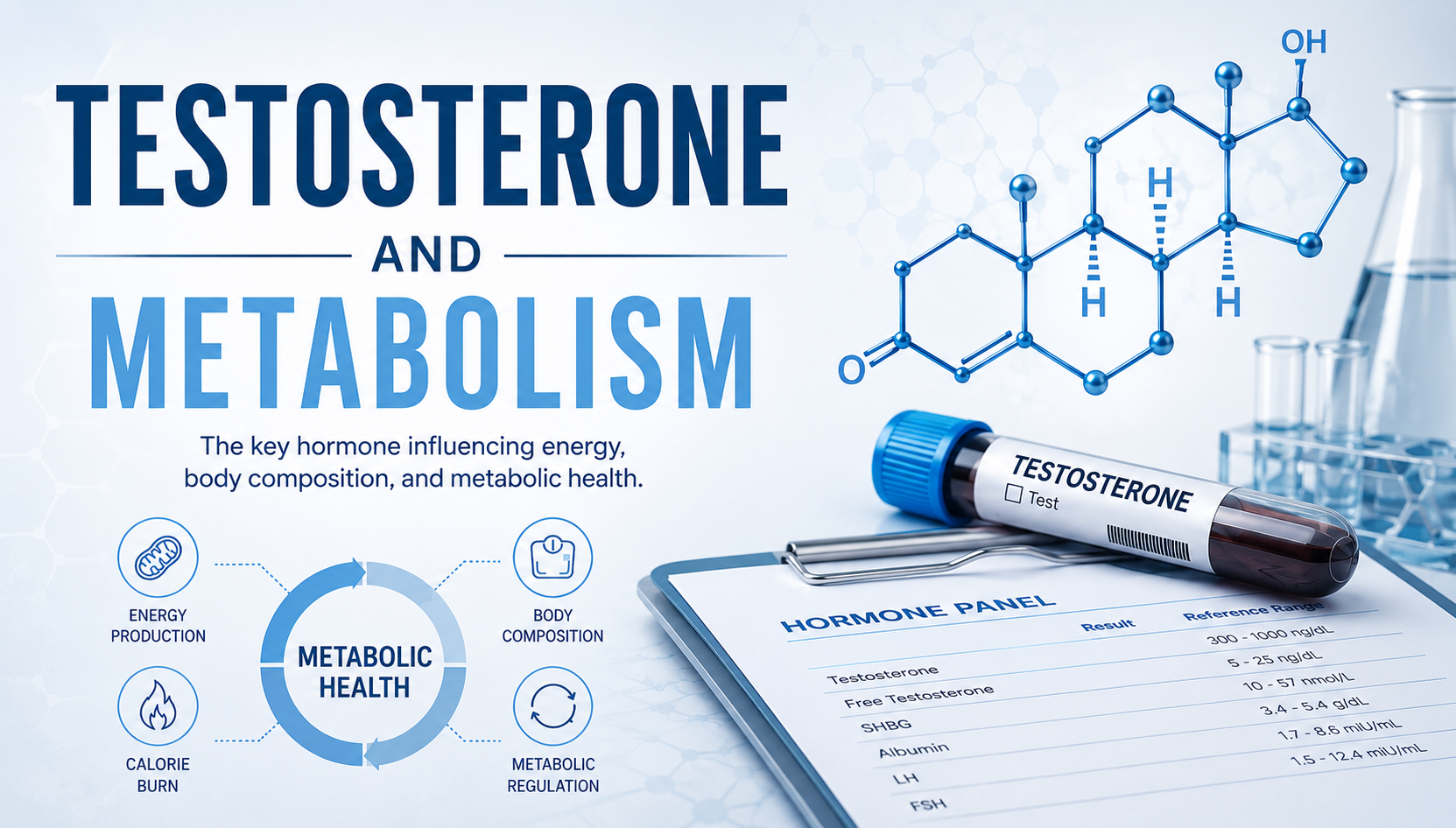
Testosterone is the cornerstone of men’s health, regulating far more than just muscle growth. It is a master hormone responsible for:
- Physical Strength: Maintaining lean muscle mass and bone density.
- Sexual Health: Regulating libido and erectile function.
- Mental Clarity: Influencing mood, focus, and cognitive performance.
- Metabolic Health: Supporting red blood cell production and energy levels.
While testosterone naturally declines by about 1% per year after age 30, poor sleep habits can accelerate this process, leading to premature aging and “Low T” symptoms.
The Science: How Lack of Sleep Lowers Testosterone
How quickly can poor sleep affect your hormones? Faster than you might think. A landmark study published in the Journal of the American Medical Association (JAMA) found that after just one week of sleeping only five hours per night, healthy young men saw their testosterone levels drop by 10% to 15%.
The Deep Sleep Connection
The body produces the vast majority of its testosterone during deep, slow-wave sleep. When sleep is fragmented or too short, you disrupt the natural circadian rhythm. This interruption prevents the brain from signaling the testes to produce the hormone, leading to a measurable deficit by the time you wake up.
The “Stress Spiral”: Cortisol vs. Testosterone
Sleep deprivation acts as a major stressor on the body, triggering a spike in cortisol. This creates a biological “see-saw” effect:
- As cortisol (the stress hormone) rises, it actively suppresses testosterone production.
- High cortisol makes it harder to fall asleep, leading to further deprivation.
- This creates a downward spiral of high stress, poor recovery, and crashing hormone levels.
Long-Term Health Risks of Sleep-Induced Low T
If left unaddressed, the combination of sleep loss and low testosterone can lead to serious chronic conditions:
- Muscle Loss & Weight Gain: Difficulty maintaining lean mass and an increased risk of obesity.
- Mood Disorders: Heightened irritability, depression, and anxiety.
- Cognitive Decline: Significant struggles with memory and concentration.
- Cardiovascular Disease: Research in the Journal of Clinical Endocrinology & Metabolism links sleep-restricted testosterone deficiency to an increased risk of hypertension and heart disease.
How to Optimize Your Sleep and Hormonal Health
At Optimize Integrative Health, we believe in proactive, integrative solutions. To protect your testosterone, start with these essential habits:
- Prioritize a 7-9 Hour Window: Consistency is key. Aim for the same bedtime every night to sync your internal clock.
- Limit Stimulants: Avoid caffeine and alcohol in the evening, as they bypass the “deep sleep” phase where testosterone is made.
- Morning Sunlight: Get 10 minutes of natural light early in the day to regulate your circadian rhythm.
- Professional Testing: If you feel fatigued or “off,” a simple blood test can determine if your testosterone levels are optimal.
Reclaim Your Vitality
Don’t let a “hustle” culture compromise your long-term health. At Optimize Integrative Health, we help you identify the root causes of hormonal imbalance and provide a roadmap to regeneration.
Experience the power of millions of cells working to REGENERATE you. Reach out to our team today to see how this fits into your personalized health plan. You can book a free discovery call directly through our website to take the first step toward better health.