More people are turning to GLP-1 medications to lose weight, manage cravings, and improve blood sugar.
With both tirzepatide and semaglutide becoming popular options, it’s natural to wonder whether taking them together would help speed things up.
Here’s the clear, simple answer: taking tirzepatide and semaglutide together is not recommended.
Both medications work on the same hormonal pathways, and using them at the same time doesn’t boost results, it only increases the risk of side effects.
Below is what you need to know, how each medication works, what happens if you combine them, and safer ways to keep seeing progress.
SEE HOW TIRZEPATIDE OR SEMAGLUTIDE CAN HELP YOU
Why Taking Tirzepatide and Semaglutide Together Isn’t Recommended
Even though they’re different medications, tirzepatide and semaglutide both signal your body to feel full longer, slow digestion, and help regulate blood sugar.
Using both at once overstimulates the same receptors and doesn’t create an extra weight-loss “boost.”
Instead, combining them can lead to:
- Intense nausea or vomiting
- Severe stomach slowing
- Dehydration
- Low appetite to the point of not meeting basic nutritional needs
- Higher risk of dizziness or fatigue
- Difficulty maintaining muscle mass
These medications simply aren’t designed to work together.
One is more than enough when used with the right dose, schedule, and support.
How Semaglutide Works (Simple Explanation)
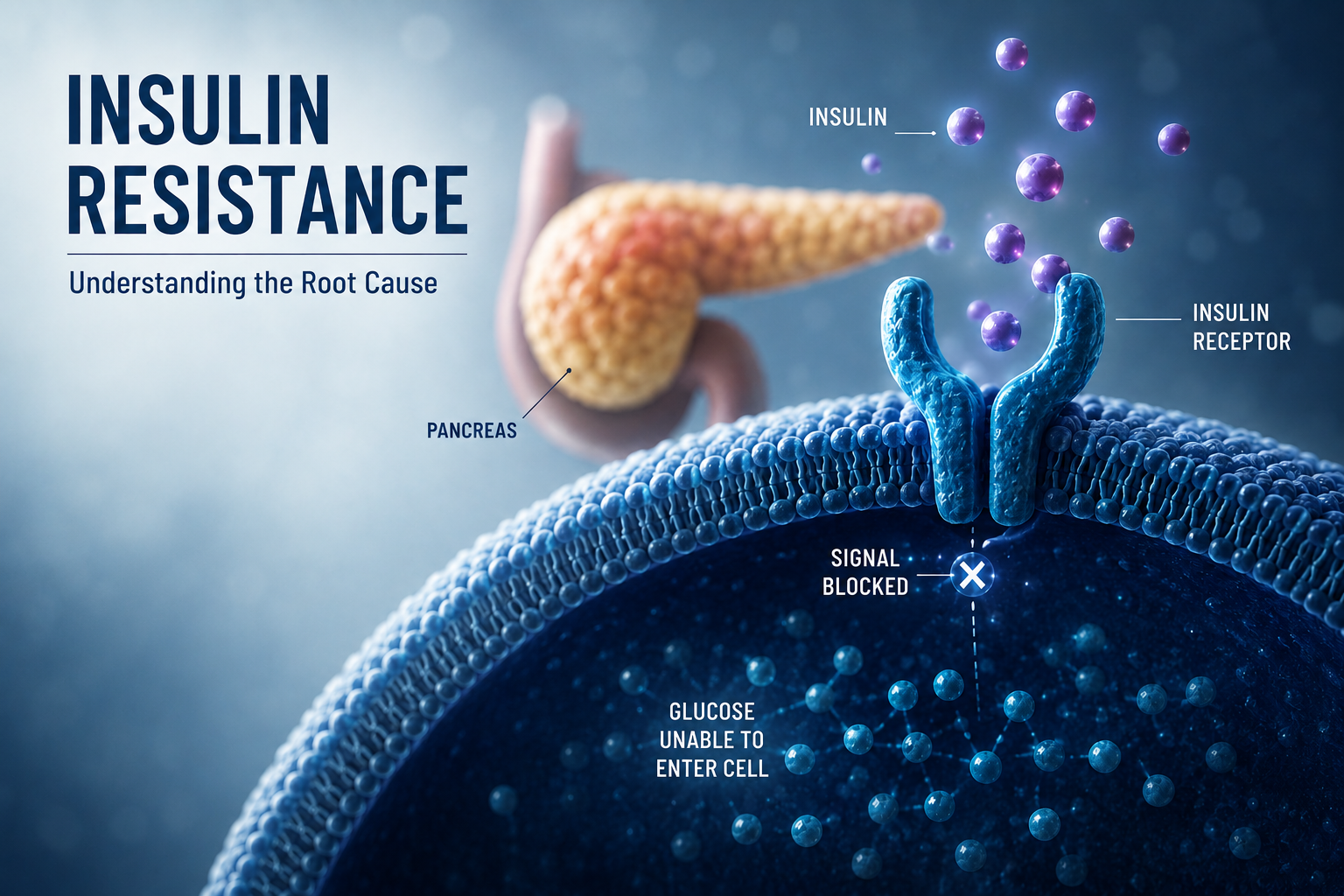
Semaglutide works by activating GLP-1 receptors, which signal your brain that you’re full.
This reduces cravings, stabilizes blood sugar, and slows digestion so you stay satisfied longer.
It’s effective for:
- Appetite control
- Portion reduction
- Steady, gradual weight loss
How Tirzepatide Works and How It’s Different
Tirzepatide activates two receptors instead of one, GLP-1 and GIP.
The GIP pathway helps your body respond better to meals and may support more metabolic flexibility.
Because it works through two hormonal pathways, some people find tirzepatide leads to stronger appetite control and steadier weight changes compared to semaglutide.
This difference makes many people believe combining both drugs might produce even faster results.
But that’s not how these receptors work, doubling up doesn’t double the benefit.
Why People Think Combining Them Might Work
The logic makes sense at first:
“If one medication helps, won’t two help more?”
But both medications already max out the same appetite and digestion pathways.
There’s no extra “room” to activate them further.
Instead, you end up with stacked side effects without added weight-loss benefits.
What Happens If You Combine Tirzepatide and Semaglutide?
Taking both, whether accidentally or intentionally, can lead to symptoms such as:
- Sharp nausea
- Vomiting
- Severe constipation
- Bloating
- Inability to tolerate normal meals
- Extreme fatigue
- Difficulty hydrating
- Low blood sugar in sensitive individuals
These symptoms usually happen because your digestive system slows down too much.
If you’re already on a GLP-1 medication, adding a second one doesn’t improve results, it simply overwhelms your system.
What to Do If You Already Took Both
If you took tirzepatide and semaglutide in the same week or on the same day, don’t panic.
Most people will feel uncomfortable but stabilize with time.
Here’s what helps:
- Drink water steadily throughout the day
- Eat smaller, gentler meals (soup, yogurt, soft proteins)
- Avoid alcohol for 48 hours
- Rest if you feel fatigued
- Call a medical provider if you experience severe vomiting, dehydration, or dizziness
If symptoms feel unmanageable, reach out to a clinic for guidance, including whether you should pause your next scheduled dose.
Can You Switch From Semaglutide to Tirzepatide (or the Other Way Around)?
Switching is common and safe when it’s done with proper monitoring.
Most people transition because they’ve hit a plateau or feel their current dose is no longer working as well.
A few general points:
- Most providers recommend waiting until your next scheduled dose before switching
- Some people dose slightly lower when starting the new medication
- The first two weeks of switching may bring some digestive adjustment
- You should not overlap the medications during the transition
A guided transition helps you avoid unnecessary side effects and maintain steady progress.
Why People Hit Plateaus and Why Combining Medications Doesn’t Break Them
Plateaus do not mean the medication stopped working.
They’re usually caused by:
- Reduced calorie intake leading to lower metabolism
- Loss of muscle mass
- Eating too little protein
- Normal stabilization after rapid early weight loss
- Stress or sleep changes
- Dehydration
- Not rotating movement routines
Combining medications doesn’t address any of these.
But adjusting nutrition, hydration, movement, and dosing can often restart progress safely.
Better Alternatives to Combining GLP-1 Medications
There are safer and more effective ways to support progress, including:
- Increasing dietary protein
- Strength-focused movement
- Improving hydration
- Adjusting sleep routines
- Reviewing your dose to see if an adjustment is needed
- Evaluating whether tirzepatide or semaglutide is the better long-term fit
The right plan doesn’t require doubling medications, just refining what you’re already doing.
When Tirzepatide Might Be a Better Fit Than Semaglutide (and Vice Versa)
Some people respond more strongly to tirzepatide, while others do better with semaglutide.
Factors include:
- How your appetite changes
- How your digestion responds
- Whether blood sugar stability is a priority
- How your body handles gastrointestinal symptoms
- Your personal weight-loss timeline
There is no “better” medication universally, only what works best for your body.
How Optimize Integrative Health Can Help With Tirzepatide Or Semaglutide
At Optimize Integrative Health, you’re not put on a one-size-fits-all plan.
You get guidance that considers your body, your habits, and your goals.
If you’re unsure whether to switch medications, adjust your dose, or troubleshoot a plateau, you can get personalized support without guessing on your own.
This helps you stay safe, stay consistent, and keep seeing progress without unnecessary risks.
Conclusion: Can You Take Tirzepatide and Semaglutide Together
Tirzepatide and semaglutide are powerful on their own, but they’re not meant to be used together.
If you’re considering switching medications, struggling with side effects, or feeling stuck in a plateau, there are safer and more effective ways to move forward.
Optimize Integrative Health can help you find the right approach for your body, without taking unnecessary risks.
FAQs: Can You Take Tirzepatide and Semaglutide Together
Is tirzepatide stronger than semaglutide?
Tirzepatide affects two hormone receptors instead of one, so many people feel more appetite control and steadier weight changes. That doesn’t make it universally stronger, but some individuals respond more noticeably to tirzepatide because of the added GIP pathway.
Can you switch to tirzepatide if you are on semaglutide?
Yes, switching is common. Most people transition by waiting until their next scheduled semaglutide dose, then starting tirzepatide at a comfortable entry dose. The switch should be guided by a provider to limit digestive discomfort and make sure the new medication fits your goals.
What happens if you take both semaglutide and tirzepatide?
Taking both at the same time can overload the same appetite and digestion pathways. This often leads to stronger nausea, vomiting, constipation, bloating, or difficulty eating enough. It doesn’t improve weight loss and can make symptoms harder to manage.
How much weight can you lose on semaglutide vs tirzepatide?
Both support steady weight loss, but studies show that some people see slightly faster changes with tirzepatide because it activates two receptors instead of one. Results still depend on dosing, consistency, nutrition, movement, and how your body responds.
How does tirzepatide work for weight loss?
Tirzepatide works by activating GLP-1 and GIP receptors, which help regulate appetite, digestion, and how your body responds to meals. These pathways reduce cravings, help you stay full longer, and support more stable blood sugar, all of which make weight management easier.
What are the benefits of tirzepatide?
Tirzepatide can lead to strong appetite control, steadier blood sugar, fewer cravings, and consistent weight loss. Many people also find it helps them feel full with smaller portions and stay satisfied between meals, making long-term progress more manageable.